
Secure self-service collection for customer, supplier orders and fulfilment
Pitney Bowes click & collect lockers help organisations support customer pickup, self-service collection and out-of-hours fulfilment across retail environments, shared collection points and operational sites.
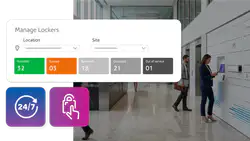
Parcel tracking & collection visibility
Operational challenges
What click & collect lockers help reduce
The operational pressures click & collect lockers are most often deployed to address — across retail stores, fulfilment sites and customer-facing collection points.
- Long customer collection queues
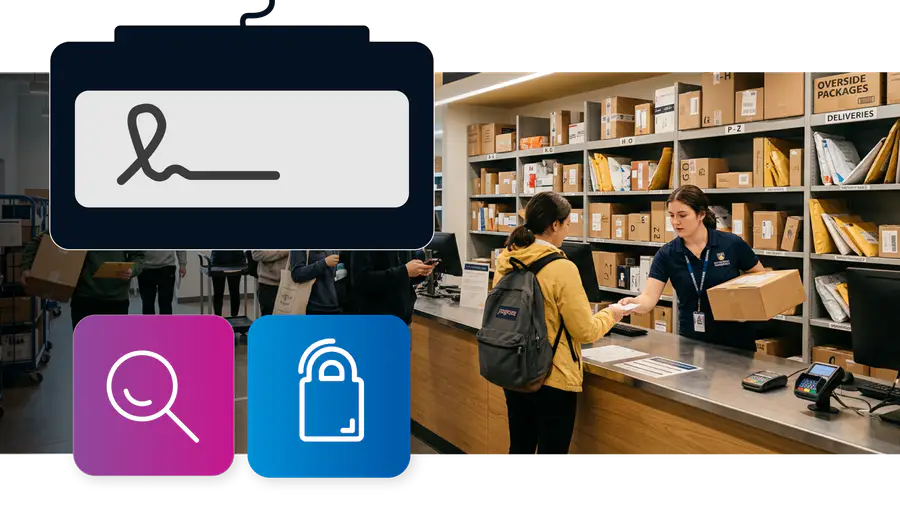
- Pressure on staffed collection counters
- Missed customer collections
- Delays during busy trading periods
- Limited collection availability outside trading hours
- Manual order handovers
- Lack of visibility across customer pickups
- Pressure on retail and fulfilment teams
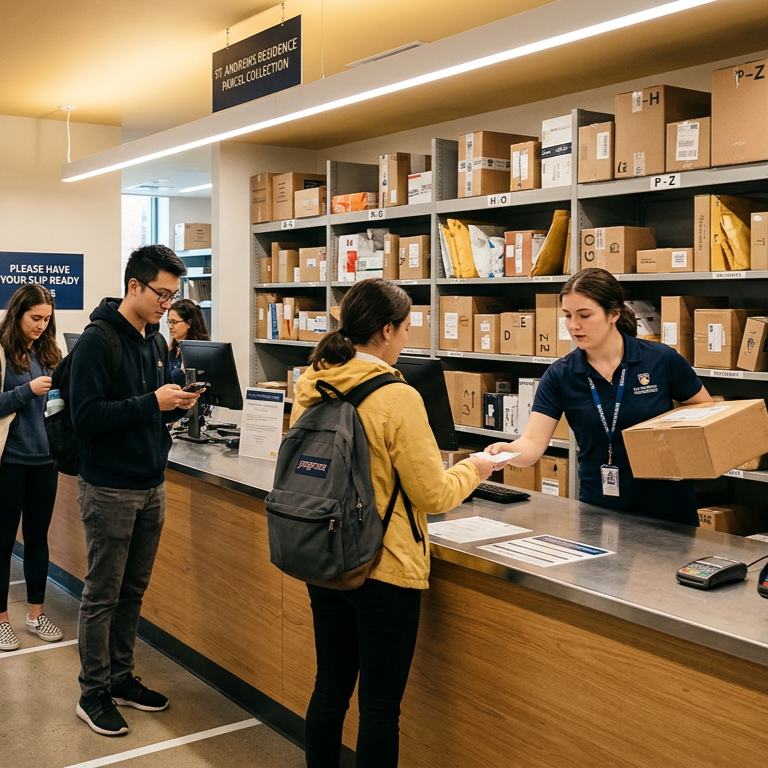
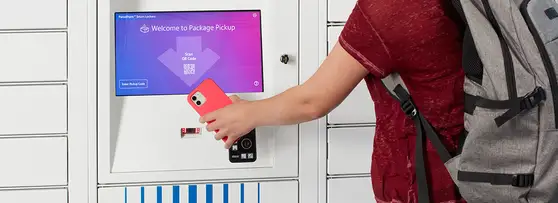
How do Pitney Bowes lockers facilitate contactless pick-up?
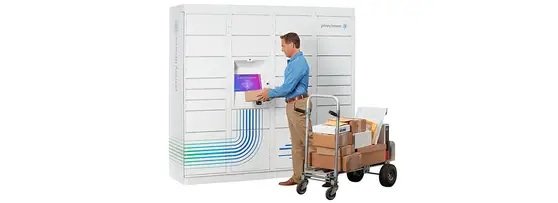
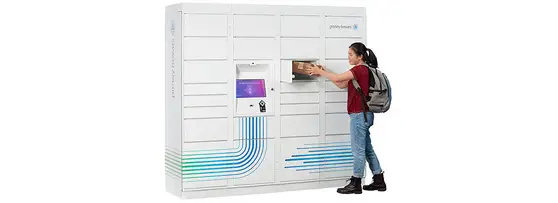
Typical configurations
Configured around your building, volumes and operations
Pitney Bowes parcel lockers can be configured around building layouts, parcel volumes and operational requirements. Common configurations include:
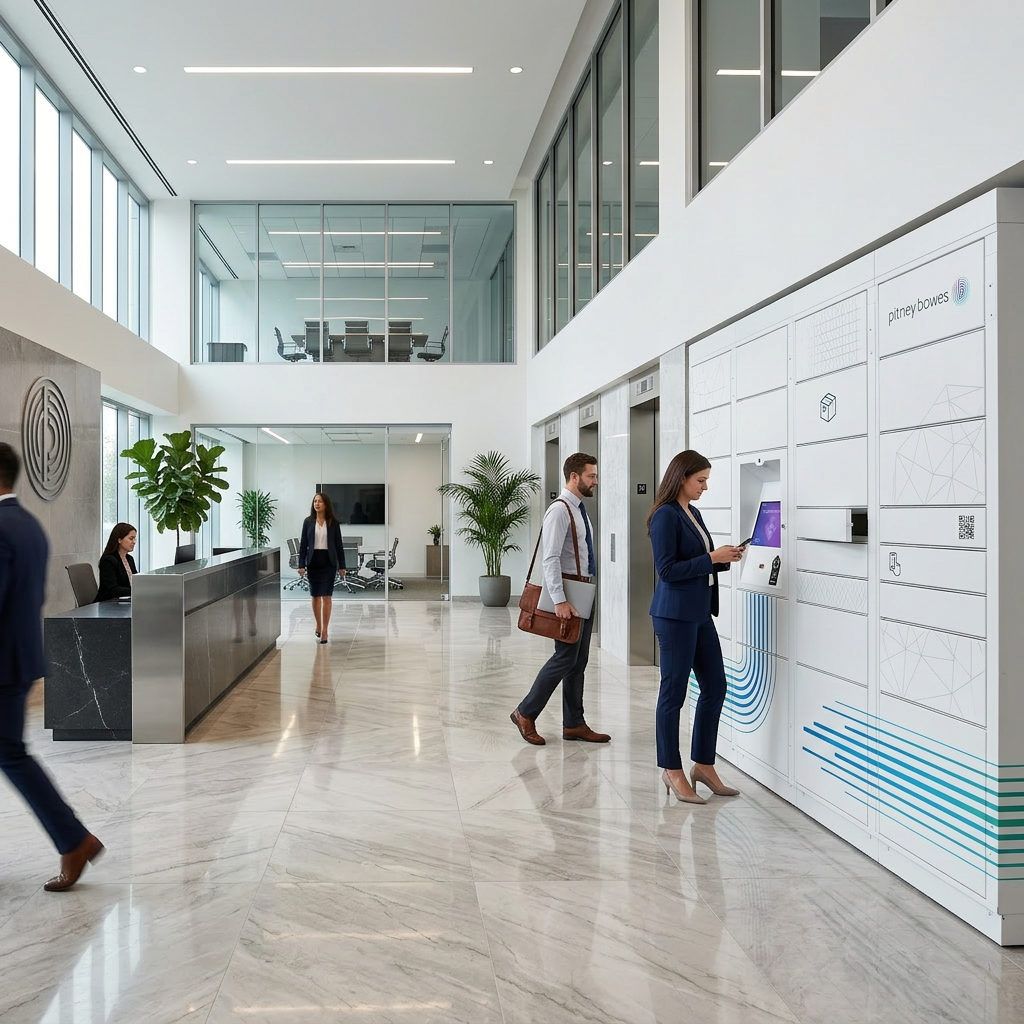
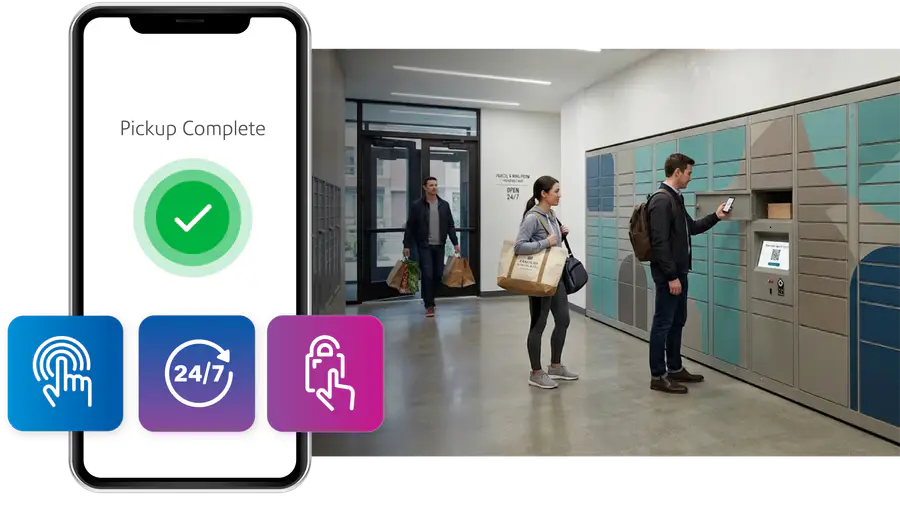
- Indoor locker banks
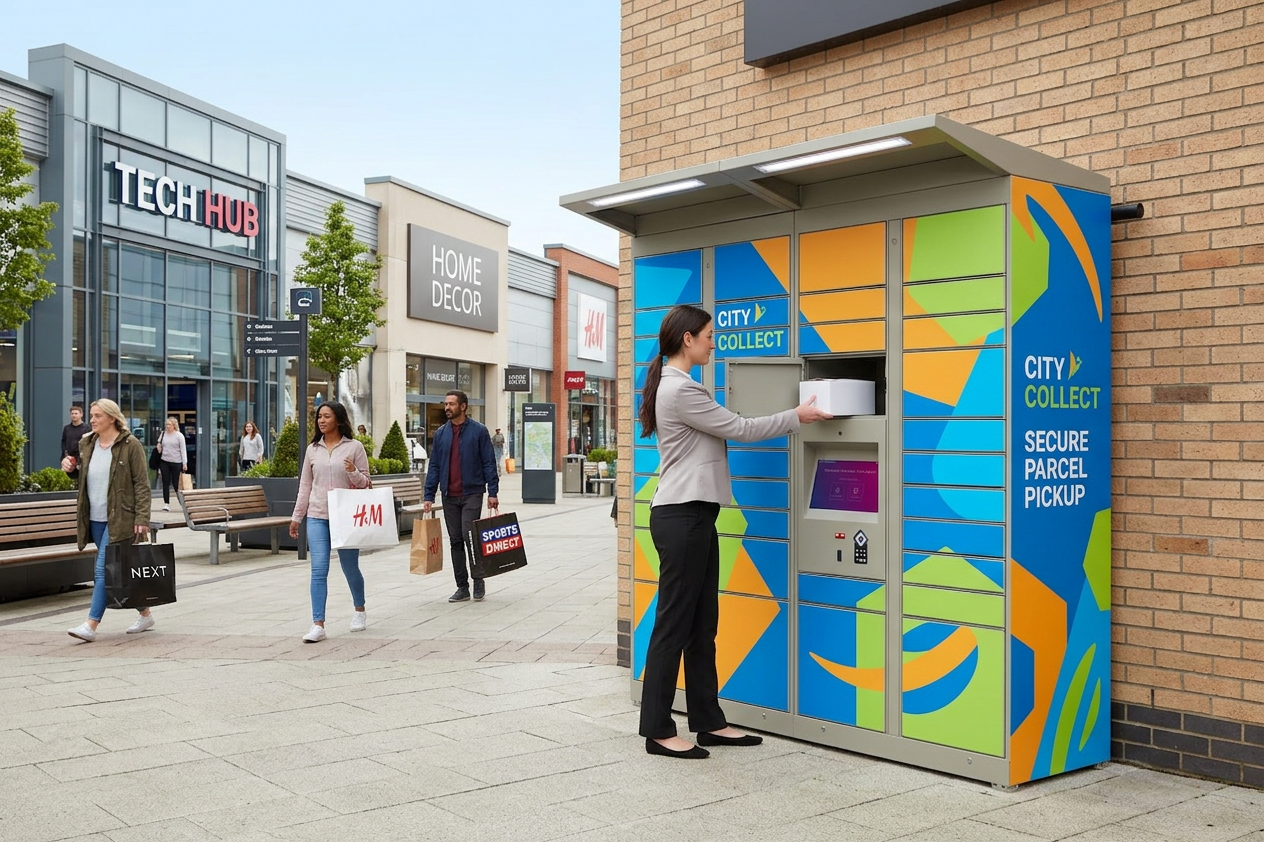
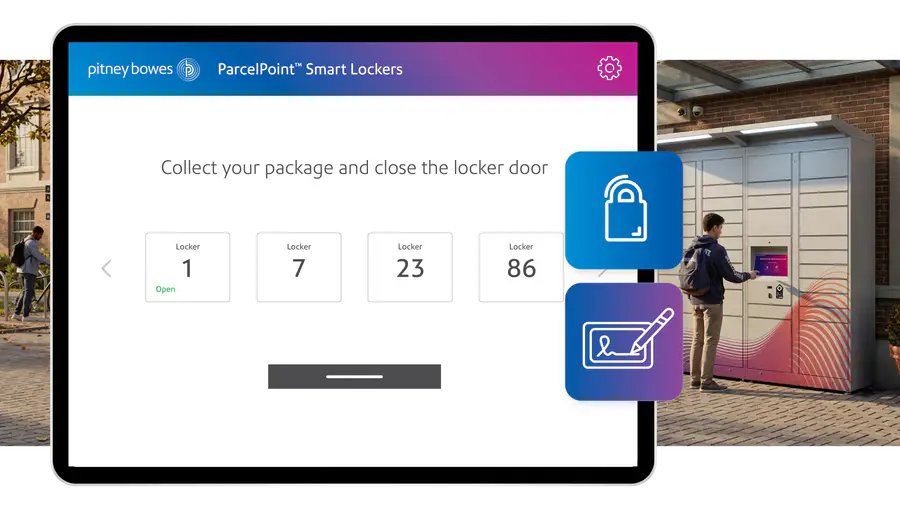
- Outdoor weather-resistant lockers
- Mixed compartment sizes
- Courier drop-off workflows
- Multi-site locker deployments
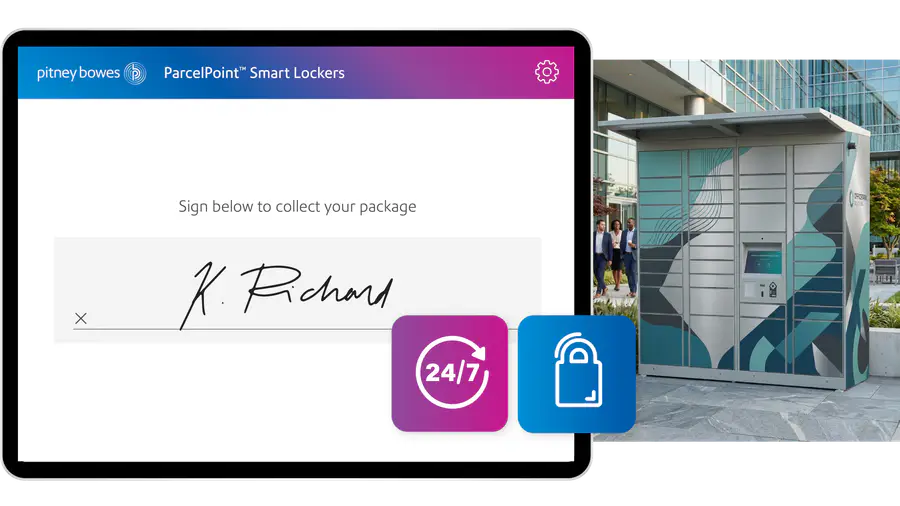
- 24/7 self-service collection access
- Branded locker wraps and kiosk screens
- Integrated reporting and notifications
Frequently Asked Questions
What are click & collect lockers used for?
Pitney Bowes click & collect lockers help organisations support secure customer collection, order pickup, courier drop-off and out-of-hours fulfilment across retail, operational and shared collection environments.
Can couriers deliver directly into lockers?
Yes. Pitney Bowes click & collect lockers allow couriers and operational teams to securely place items into assigned locker compartments for customer or workforce collection.
Can customers collect orders outside trading hours?
Yes. Pitney Bowes click & collect lockers support self-service customer collection outside normal staffed or trading hours.
Do click & collect lockers support customer notifications?
Yes. Pitney Bowes locker software supports automated notifications and pickup reminders for customers and authorised collection users.
Can click & collect lockers help reduce customer queues?
Yes. Pitney Bowes click & collect lockers help reduce pressure on staffed counters and collection areas during busy operational and trading periods.
Can Pitney Bowes click & collect lockers support unattended collection?
Yes. Pitney Bowes click & collect lockers support secure self-service collection without relying on staffed counters or manual handovers, helping organisations provide collection access throughout the day and outside normal operating hours.
Can click & collect lockers support retail environments?
Yes. Pitney Bowes click & collect lockers are commonly used across retail stores, operational sites and shared customer pickup locations.
Can lockers support QR code and PIN-based collection?
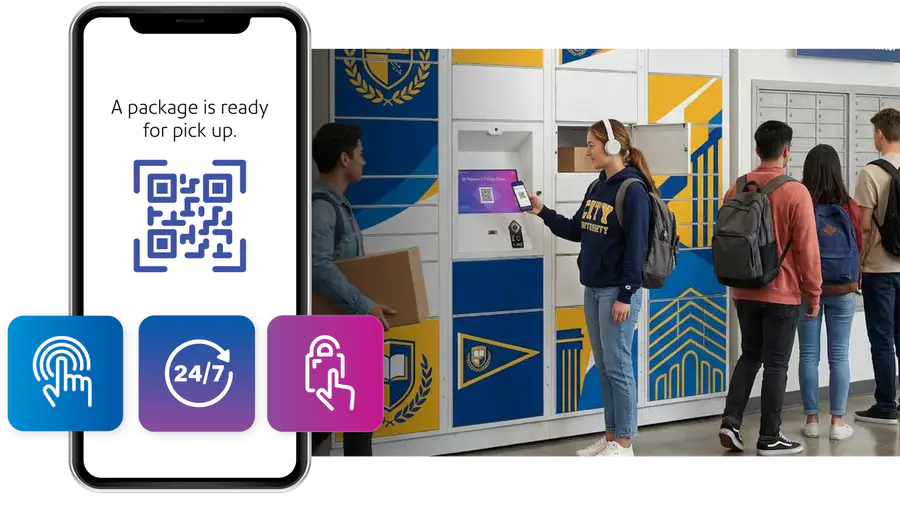
Yes. Pitney Bowes click & collect lockers support PIN, QR code and barcode-based collection verification.
Can click & collect lockers operate across multiple locations?
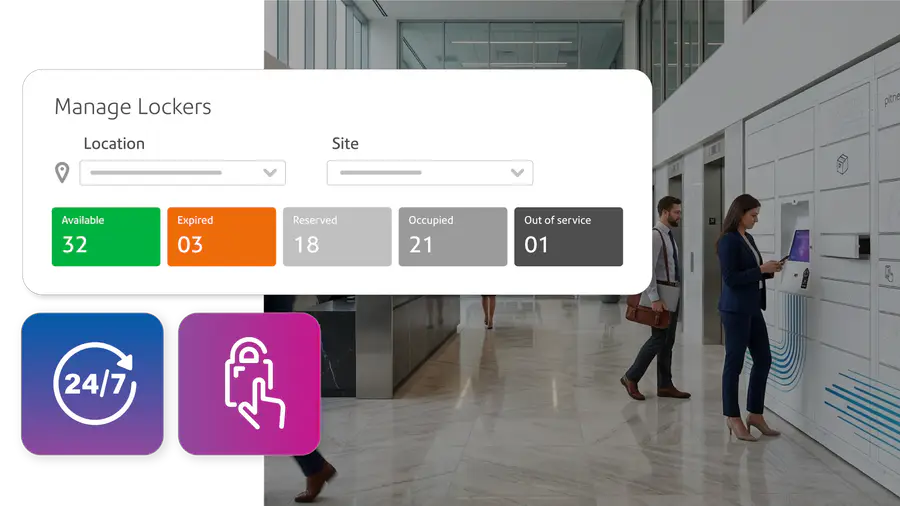
Yes. Pitney Bowes locker software helps organisations manage collection activity, reporting and visibility across multiple retail and operational sites.
Are outdoor click & collect lockers available?
Yes. Pitney Bowes outdoor locker configurations are available for customer and workforce collection across retail sites, operational locations and external collection areas.
Can click & collect lockers support high seasonal order volumes?
Yes. Pitney Bowes click & collect lockers can help organisations manage increased pickup demand during peak trading periods and seasonal order volumes.
Can locker activity be monitored and reported on?
Yes. Pitney Bowes locker software supports visibility, reporting and audit tracking across locker usage, pickup activity and operational environments.